
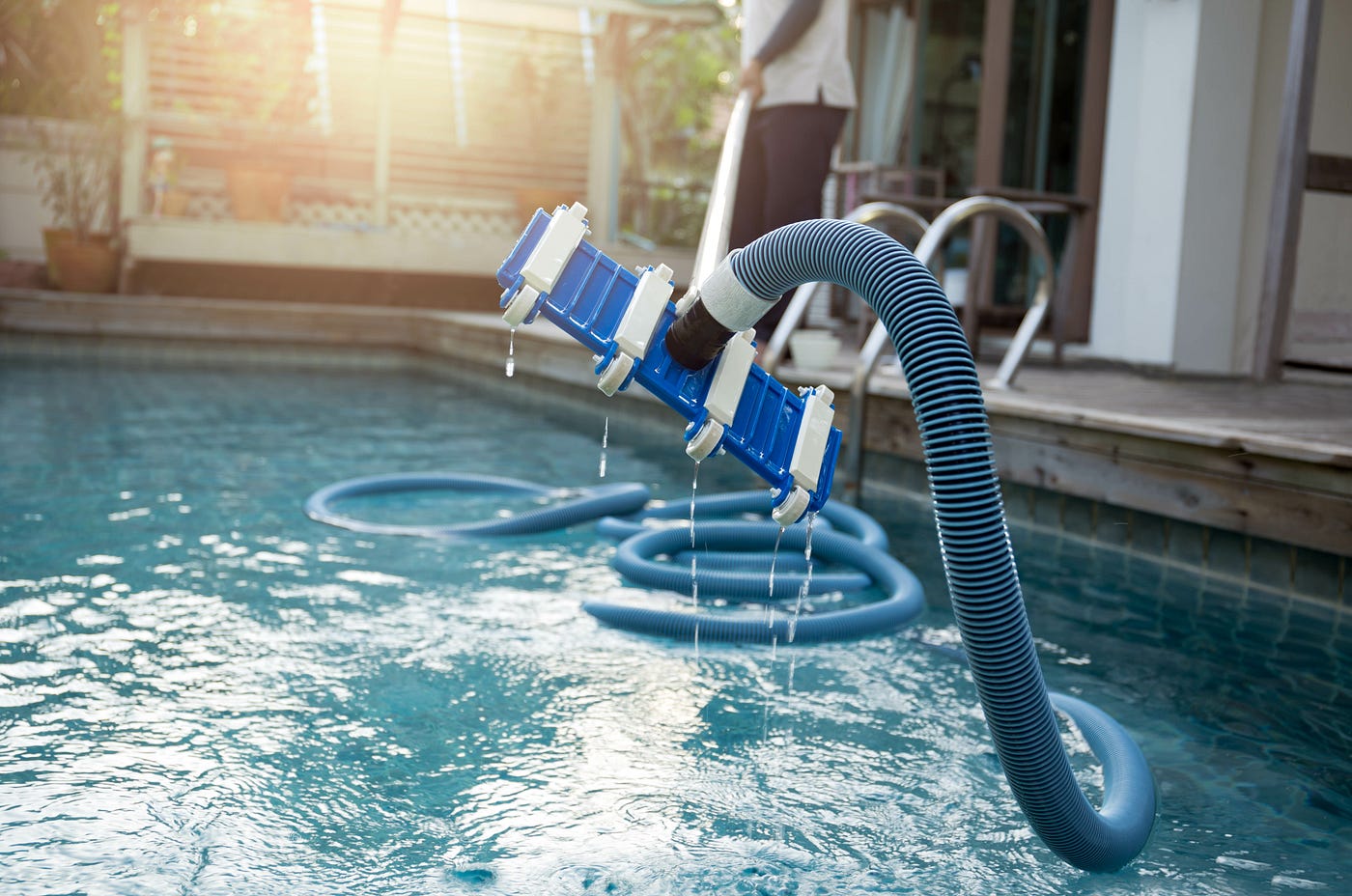
If you are a pool owner, you know how important it is to maintain your swimming pool’s optimal condition. For beginners or new pool owners, this may seem like rocket science and the last thing you want is to have your family or friends get sick because of an unhealthy pool. On top of that, a green pool can be a real eyesore, making your backyard look unkempt and uninviting. In this beginner’s guide to pool maintenance, you’ll learn everything you need to know to keep your pool sparkling clean and safe for all to enjoy.
Step One: Understand Your Pool’s Chemistry
The most important part of pool maintenance is to keep the water clean and balanced. Neglecting to treat pool water can lead to algae and harmful bacteria buildup that can be hazardous to swimmers’ health. To keep your pool’s chemistry in the optimal range, you’ll want to test your pool water frequently to make sure it has the right pH level, total chlorine and alkalinity levels.
For those just starting out, the bare minimum you need to keep your pool’s chemical levels in check (and keep your pool crystal clear) are some pool test strips and our Water Pool Chemical bundle.
Step Two: Cleaning the Pool
A pool contains daily debris like leaves, hair, dirt, and bugs, but also oils and contaminants coming from the swimmers themselves. Regular cleaning of the pool includes skimming the water’s surface, brushing the tiles and walls, and cleaning the pool’s filters. Skim your pool daily to remove any leaves or debris on the surface, brush tiles once per week to remove algae and grime, and clean filters at least monthly to warrant that your water is clean and pure.
Step Three: Monitor your Pump and Filter
Your pool water gets circulated through filters in the pump and back into the pool. So it’s essential to evaluate the function of the pump and filter Regularly. Dirty filters can reduce your pool water flow rate or other pool equipment function. A malfunctioning pump can also undermine the water flow, making the pump less productive, and making your pool unsanitary.
Step Four and Beyond: Address Pool Problems Immediately
Beginner Pool problem one: Algae
Algae is a notorious Pool problem; it enters the pool from the environment and even from the swimmers themselves. When Algae strikes, don’t hesitate to add Algaecide to your pool immediately. If caught early, the problem is easy to fix without having to turn your pool green.
Beginner Pool problem two: Low Chlorine Levels or High Chlorine Levels
Pool water requires careful attention to Chlorine Levels. If chlorine level drops too low for an extended period, the water will become overrun by bacteria, viruses, and algae that can cause health hazards. Keep a watchful eye on chlorine level and never let it dip below 1 ppm (parts per million).
On the other hand, when chlorine levels go above 3ppm, it can (and will) cause skin irritation and will cause damage to your pool equipment.
Low Chlorine Levels can easily be fixed by shocking your pool with some unstabilised chlorine or stabilised pool chlorine. On the other hand, if you have too much pool chlorine you can always use a chlorine remover chemical to lower the levels.
Beginner Pool Problem Three: Seasonal Maintenance
One thing that’s almost never found in many beginner pool maintenance guides is Seasonal maintenance. Seasonal maintenance helps ensure your pool will be ready to go as soon as summer comes around the corner. A seasonal maintenance system should include the cleaning and balancing of the pool water, inspection of equipment, and looking out for any damages.
Different seasons call for different maintenance schedules.